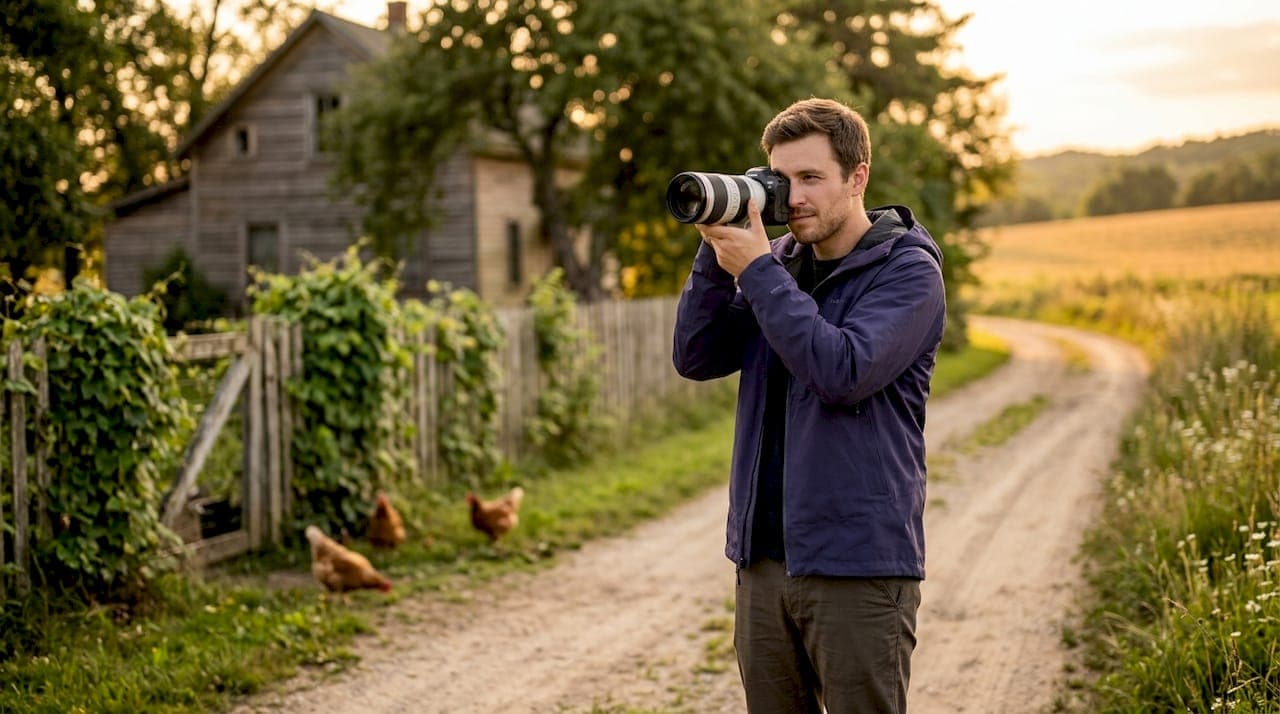
Documentary photography is defined as the practice of capturing real events and genuine human moments without directing, staging, or influencing the scene. Traditional photography, by contrast, places the photographer in the role of director, shaping lighting, poses, and composition to achieve a deliberate visual result. Understanding the difference between documentary and traditional photography matters whether you are hiring a wedding photographer, developing your own shooting style, or evaluating images for a project. Both approaches carry distinct philosophies, ethical obligations, and storytelling outcomes. The terms editorial photography, photojournalism, and candid imagery all orbit this core distinction.
1. What defines documentary photography as a style
Documentary style photography treats the photographer as a witness, not a director. The camera observes. The photographer anticipates. Nothing is arranged. This philosophy traces directly to photojournalism and social documentary traditions, where the integrity of the image depends entirely on the authenticity of the moment captured.
The working method favors natural light, unposed subjects, and acceptance of technical imperfection when it serves truth. A slightly blurred frame of a bride laughing uncontrollably carries more emotional weight than a technically perfect portrait where that same bride was told to smile. Imperfection is not a flaw in documentary work. It is often the proof of authenticity.
Key characteristics of documentary style photography include:
- No direction of subjects: The photographer moves around the scene, not the people in it.
- Natural and available light: Artificial lighting setups are minimized to avoid disrupting the environment.
- Spontaneous timing: Images are captured as moments unfold, not recreated after the fact.
- Contextual storytelling: The background, setting, and surrounding details are treated as narrative elements.
- Acceptance of imperfect conditions: Grain, motion blur, and unconventional framing are acceptable when they serve the story.
Pro Tip: If you are evaluating a photographer's documentary credentials, ask to see full event galleries, not just highlight selects. A genuine documentary shooter will show you the messy, unguarded moments alongside the beautiful ones.
2. How traditional photography differs in technique and intention
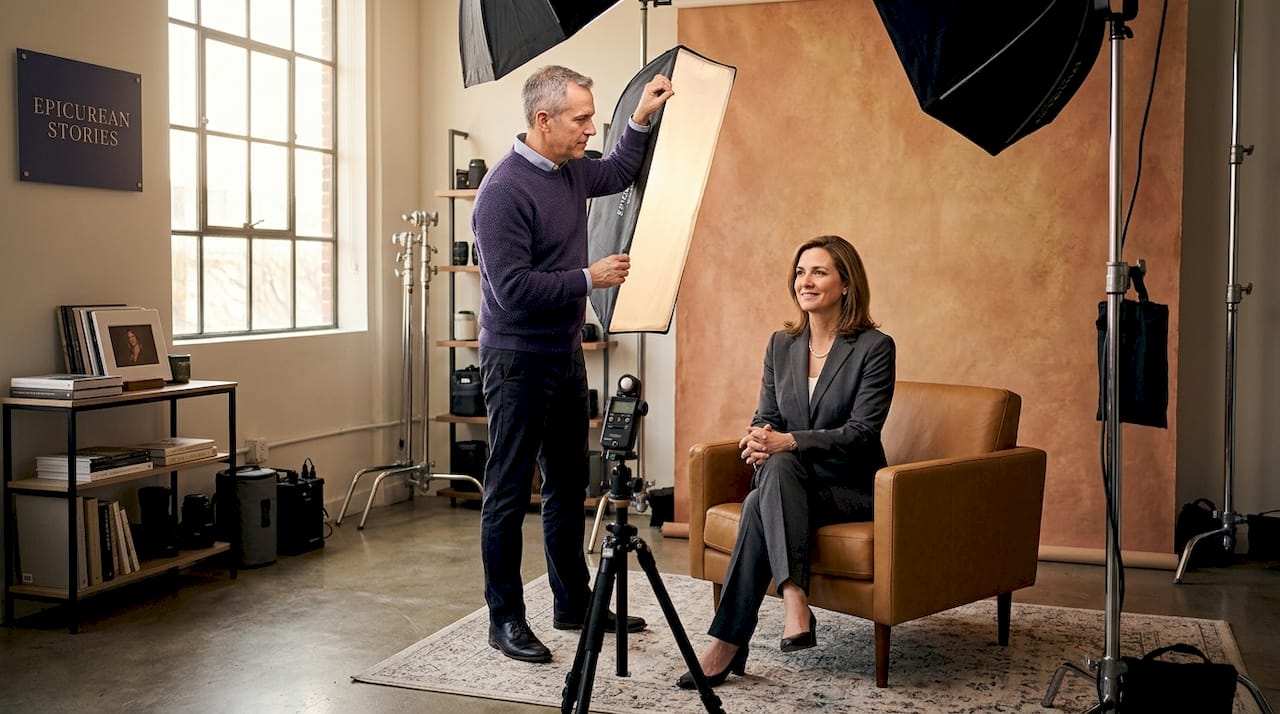
Traditional photography techniques center on control. The photographer decides where subjects stand, how light falls, and what the final frame will look like before the shutter fires. Portrait studios, fashion shoots, and planned family sessions all operate on this model. The result is visual consistency and aesthetic polish that documentary work rarely achieves by design.
Editorial and portrait photography are the clearest examples of the traditional approach in practice. A fashion editorial involves a stylist, a lighting crew, a specific location scouted in advance, and a photographer who directs every element of the frame. The image is constructed, not discovered. That construction is the point.
Strengths of traditional photography techniques include:
- Visual impact and aesthetic consistency: Every image in a session shares a deliberate look and feel.
- Controlled lighting setups: Strobes, reflectors, and softboxes allow precise manipulation of shadows and highlights.
- Planned compositions: The rule of thirds, leading lines, and color palettes are applied intentionally.
- Reproducibility: A traditional photographer can recreate a specific look across multiple sessions.
- Client-directed outcomes: Clients know exactly what they will receive before the shoot begins.
The risk of over-staging is real. When every moment is directed, the images can feel hollow, like looking at a catalog rather than a memory. Emotional authenticity requires some degree of surrender to the uncontrolled.
Pro Tip: For planned portrait sessions, brief your subjects on the mood and feeling you want to evoke rather than giving them specific pose instructions. People perform poses. They inhabit feelings.
3. Ethical considerations unique to documentary photography
Ethics in documentary photography go well beyond signing a release form. Informed and continuous consent is the foundation. Subjects must understand what they are agreeing to, how images will be used, and that they can withdraw consent at any point. This is especially critical in sensitive contexts such as medical settings, protests, or communities experiencing hardship.
The National Press Photographers Association (NPPA) sets the clearest professional standard: staging scenes or adding elements to alter the reality of an image is prohibited. This standard applies equally to documentary photographers working outside traditional journalism. The moment you move an object, ask someone to repeat an action, or composite two frames, you have crossed from documentary into constructed imagery.
Post-processing choices carry the same ethical weight as capture decisions. Manipulative sequencing, cropping, or captioning that distorts the meaning of events destroys credibility just as surely as staging a scene. Color correction and basic exposure adjustments are acceptable. Removing a person from a frame or blending two moments into one is not.
"Ethics in documentary photography go beyond consent forms; they involve honesty about limits and scope, preserving trust with audiences." — Designing a Documentary Photography Project
Emerging AI tools that can convincingly alter faces, expressions, and backgrounds represent the sharpest current challenge to documentary integrity. A photographer who uses AI to "improve" a documentary image has produced a fabrication, regardless of how subtle the change appears.
4. When to choose documentary versus traditional photography
The right approach depends on what the images need to accomplish and what the subject matter demands. Comparing photography styles by event type is the most practical framework for making this decision.
| Situation | Best approach | Reason |
|---|---|---|
| Wedding ceremony and reception | Documentary | Genuine emotion unfolds in real time and cannot be recreated |
| Formal wedding portraits | Traditional | Families and couples want polished, composed keepsakes |
| Social issue or community project | Documentary | Truth and context are the entire purpose |
| Fashion or product campaign | Traditional | Aesthetic control drives commercial value |
| Street photography | Documentary | Authenticity of public life is the subject |
| Studio headshots | Traditional | Consistent, professional results are the client's goal |
Most professional photographers, including those working weddings and events, mix both approaches by choosing locations or lighting conditions in advance while capturing moments naturally as they unfold. This hybrid model is not a compromise. It is a deliberate strategy that serves clients who want both emotional truth and visual beauty.
Factors that should guide your choice include:
- Client expectations: Does the client want to feel something or look good? Both are valid goals requiring different methods.
- Event type: Ceremonies, protests, and everyday life favor documentary. Studio sessions and planned campaigns favor traditional.
- Your own strengths: Honest self-assessment of whether you are better at anticipating moments or constructing them shapes your most effective style.
5. How each style shapes storytelling and emotional impact
The impact of documentary photography on viewers is rooted in the feeling that what they are seeing actually happened. That sense of truth creates a specific kind of emotional connection. The viewer becomes a witness alongside the photographer. Traditional photography creates a different relationship: the viewer is invited into a crafted world, one that may be more beautiful but is understood to be constructed.
In wedding photography, this distinction produces measurably different albums. A documentary wedding album reads like a film. You see the flower girl dropping her petals, the groom's father wiping his eyes before the ceremony begins, the chaotic joy of the first dance. A traditionally shot album presents the couple at their most polished and composed. Both are valuable. They serve different emotional needs.
The table below illustrates how the two approaches differ in their storytelling mechanics:
| Storytelling element | Documentary approach | Traditional approach |
|---|---|---|
| Emotional tone | Raw, immediate, unpredictable | Curated, intentional, controlled |
| Viewer relationship | Witness to real events | Observer of crafted scenes |
| Narrative structure | Chronological truth | Constructed arc |
| Technical style | Available light, natural framing | Controlled light, deliberate composition |
| Memory function | Preserves what happened | Presents an idealized version |
Building a genuine relationship with subjects amplifies the emotional power of documentary work. When subjects trust the photographer, they stop performing for the camera. That shift from performance to presence is where the most powerful documentary images live.
Key takeaways
Documentary photography captures unaltered truth while traditional photography constructs deliberate visual narratives, and the strongest photographers know when to use each approach.
| Point | Details |
|---|---|
| Core distinction | Documentary observes without influence; traditional directs subjects and controls the scene. |
| Ethics matter most in documentary | Consent, honest editing, and no staging are non-negotiable standards for documentary integrity. |
| Hybrid approaches are common | Most professionals blend both styles, choosing conditions editorially while capturing moments naturally. |
| Emotional impact differs | Documentary creates witness-like connection; traditional photography presents a polished, idealized image. |
| Style choice follows purpose | Match the approach to client goals, event type, and the story the images need to tell. |
Why I think the documentary versus traditional debate misses the point
Most photographers I encounter feel pressure to pick a lane. Documentary or editorial. Candid or posed. The framing implies these are opposing philosophies, but after years of shooting weddings and events, I have found that the real skill is knowing which mode serves the moment in front of you.
I came to photography through fine arts training and military service. Both taught me the same lesson from different directions: preparation creates the conditions for truth, but you cannot force truth to appear on schedule. The best images I have made at weddings happened when I had done enough editorial work early in the day to earn the trust of my subjects, and then stepped back completely to let the documentary moments arrive.
The ethical dimension is where I feel most strongly. Photographers who blur the line between documentary and constructed imagery without disclosing it to clients are not just cutting corners. They are making a promise they cannot keep. Couples who hire a documentary photographer expect their real day, not a curated version of it. That expectation is a contract, and it deserves to be honored.
My advice to photographers developing their style: study both traditions seriously. Read the NPPA ethics code. Shoot a social documentary project with no commercial pressure. Then shoot a fully directed editorial session. The contrast will teach you more about your own instincts than any workshop can.
— Amanda
See documentary and editorial wedding photography in practice
If you have been weighing these two styles for your own wedding or photography project, seeing real examples makes the decision far clearer than any description can.
Amandaperalta's work sits at the intersection of editorial precision and documentary authenticity, shaped by a fine arts background and the disciplined presence of an Army veteran. The gallery shows what it looks like when both philosophies are applied with intention: genuine emotion captured within thoughtfully chosen settings. Browse the wedding photography portfolio to see how documentary and editorial techniques work together in real wedding coverage. If the work resonates with what you are looking for, reaching out to discuss your event is the natural next step.
FAQ
What is the main difference between documentary and traditional photography?
Documentary photography captures events as they naturally unfold without directing subjects, while traditional photography involves the photographer controlling poses, lighting, and composition to achieve a planned result.
Is documentary photography considered fine art?
Documentary photography is widely recognized as both a journalistic practice and a fine art form. When exhibited in galleries or published as long-form projects, documentary work is evaluated for its artistic vision alongside its factual integrity.
Can a wedding photographer use both documentary and traditional styles?
Most professional wedding photographers blend both approaches, directing formal portraits while capturing ceremony and reception moments candidly. This hybrid method delivers polished keepsakes alongside authentic emotional records.
What editing is acceptable in documentary photography?
Color correction, exposure adjustment, and cropping are generally accepted. Removing or adding elements, compositing frames, or using AI to alter subjects crosses into fabrication and violates documentary ethics.
How do I know which photography style is right for my project?
Choose documentary style when truth, spontaneity, and emotional authenticity are the primary goals. Choose traditional techniques when visual consistency, aesthetic control, and a specific planned outcome are what the project requires.