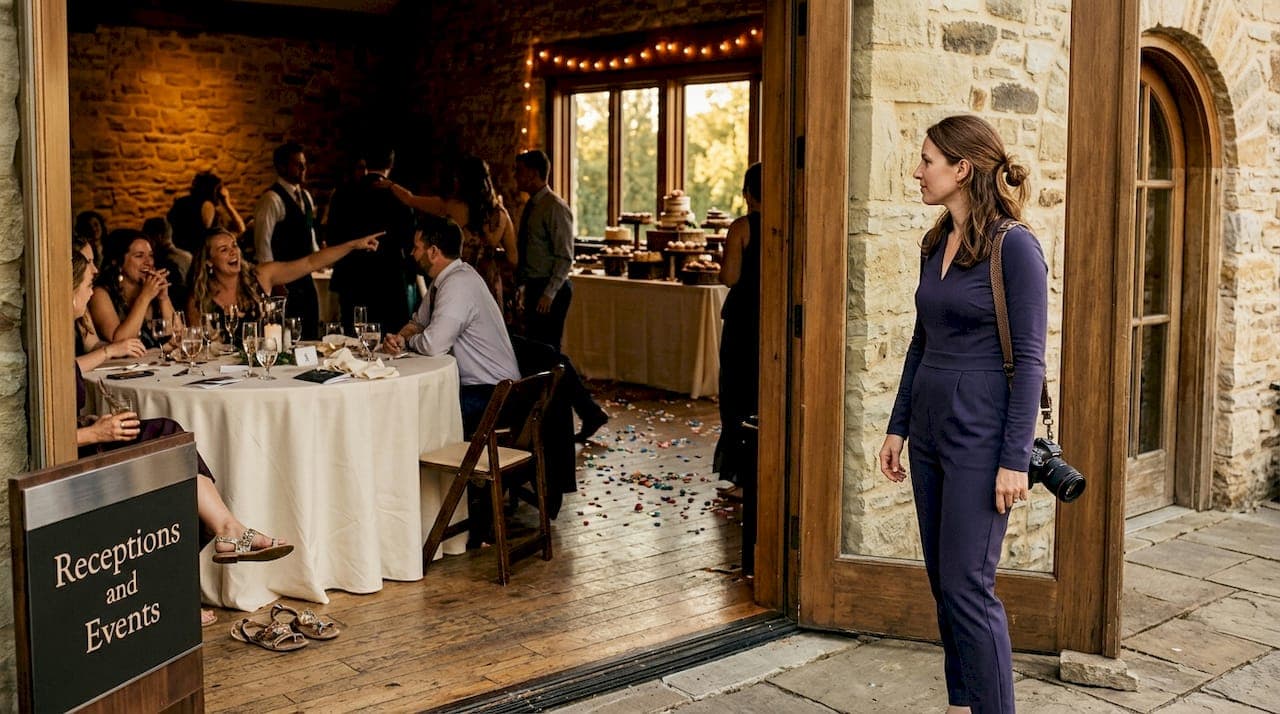
Most couples planning their wedding assume candid vs posed wedding photos is a simple either/or choice. It isn't. The real question is how these two styles work together to tell the full story of your day. Candid photography, often called documentary or photojournalistic wedding photography, captures moments as they happen. Posed photography, also known as editorial wedding photography, constructs the frame. Both serve a purpose. Understanding the difference means you'll walk into your wedding day knowing exactly what to expect from your photographer and how to get the most out of every shot.
Table of Contents
- Key Takeaways
- What candid wedding photography actually means
- What posed wedding photography actually means
- How candid and posed photos work together
- Practical tips for choosing your photography approach
- My take on blending both styles
- See both styles in action
- FAQ
Key Takeaways
| Point | Details |
|---|---|
| Candid captures truth | Documentary-style photos preserve raw emotion and spontaneous moments without direction. |
| Posed creates beauty | Editorial shots give you flattering, consistent portraits that look polished for decades. |
| Both styles complement each other | The strongest wedding albums combine candid storytelling with carefully crafted posed portraits. |
| Planning makes posed shots efficient | A prepared shot list submitted six weeks before the wedding keeps family formals on schedule. |
| Your photographer's approach matters | Ask specifically how your photographer balances documentary instincts with editorial direction. |
What candid wedding photography actually means
The word "candid" gets used loosely, so it helps to understand what it actually describes. Candid wedding photography, more precisely called documentary or photojournalistic wedding photography, is built on observation. The photographer acts as a witness to your day, prioritizing authenticity and emotional truth over visual control. Nothing is staged. Nothing is directed. The camera catches what happens, not what the photographer arranged.
This approach shines brightest during the moments that move fastest. Think about your ceremony. The second you see your partner at the altar, that reaction is gone in three seconds. A documentary photographer anticipates that moment and is already in position. The same applies to your first dance, the toast that makes your mom cry, the flower girl who falls asleep under the reception table. These are the images people cry over twenty years later.
Here's what documentary-style photography excels at capturing:
- Ceremony processional reactions and first looks at the altar
- Unscripted emotional exchanges between family members
- Dance floor energy and late-night reception moments
- Quiet, in-between moments like getting ready or waiting to walk down the aisle
- Children behaving unpredictably (which is always gold)
The challenge is real, though. Candid photography demands technical skill under pressure. Light changes. People move. Moments don't repeat. A photographer working in this style needs sharp instincts, fast reflexes, and the discipline to stay invisible without missing anything.
Pro Tip: If you want more candid moments during your portrait session, ask your photographer to give you a task instead of a pose. Walk toward the light, whisper something to each other, or just look at the view. Natural movement creates natural photos.
What posed wedding photography actually means
Posed wedding photography, also called editorial wedding photography, is directional by design. The photographer chooses the location, controls the lighting, and guides you into position to create a visually striking image. This isn't about being fake. It's about being intentional.
Editorial photography is where the craft of composition and the art of portraiture come together. Your photographer sees the light falling through a window and positions you to use it. They notice a wall of ivy and know exactly how to frame you against it. The result is a set of images that look polished, timeless, and beautiful in a way that raw documentary shots sometimes can't deliver.
The moments that call for posed photography are usually predictable:
- Family formals. Getting three generations in one frame, all looking at the camera, all with eyes open, requires direction.
- Couple portraits. Your dedicated portrait session is the time for editorial work.
- Bridal party shots. Group coordination needs a director.
- Detail shots. Rings, florals, and table settings are always styled and composed.
Here's a practical breakdown of how posed photography works across the wedding day:
| Moment | Why posed works best |
|---|---|
| Family formals | Needs coordination, eye contact, and consistent framing |
| Couple portraits | Controlled lighting creates timeless, flattering images |
| Bridal party group shots | Managing multiple people requires clear direction |
| Venue and detail shots | Composition and styling require photographer control |
The one real downside of posed photography is that too much direction can strip a photo of feeling. Overshooting direction can overshadow genuine emotion, leaving you with technically perfect images that feel hollow. The best editorial photographers know when to stop directing and let a moment breathe.
Pro Tip: For family formals, submit your shot list to your photographer at least six weeks before the wedding. Keeping it to 15 groupings or fewer means you can typically wrap formals in 30 minutes and get back to celebrating.
How candid and posed photos work together
Here's the misconception worth addressing directly: candid photos are not more "real" than posed photos, and posed photos are not "fake." Both are honest representations of your wedding day. They just capture different truths.
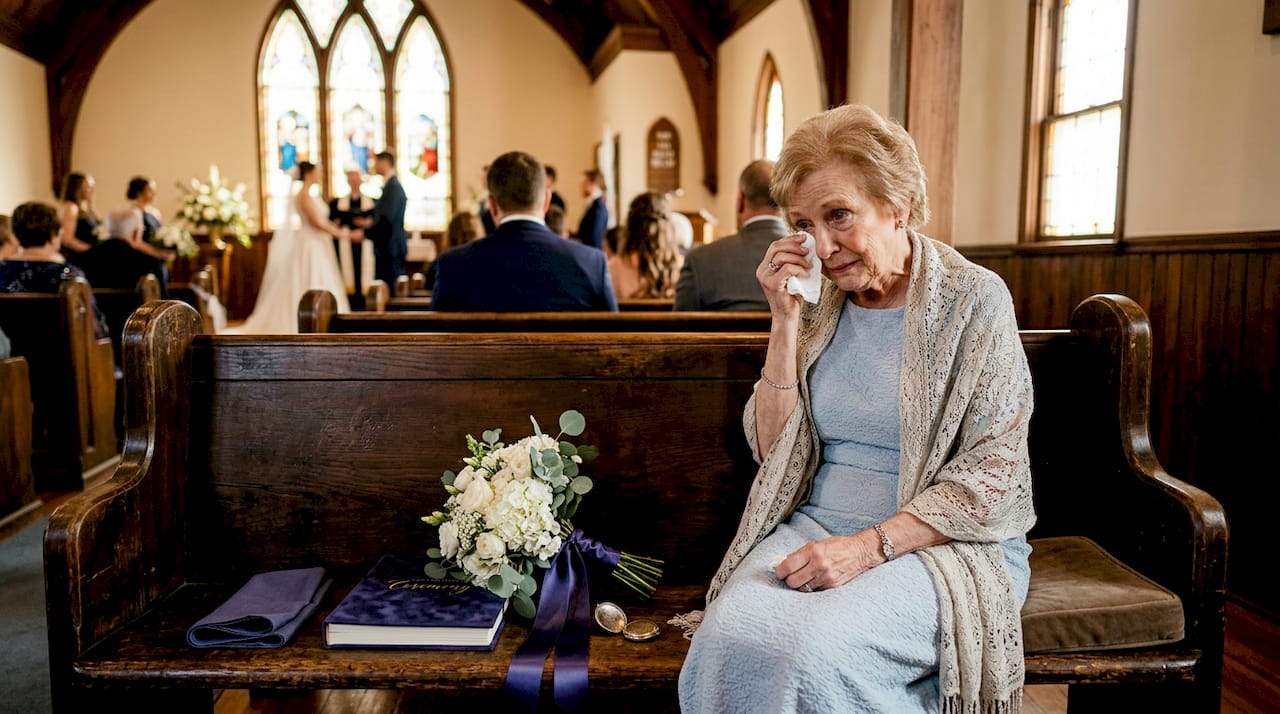
A documentary shot of your grandmother wiping her eyes during the ceremony is emotionally true. A posed portrait of you and your partner in golden hour light is visually true. You need both to tell the complete story.
| Candid (documentary) | Posed (editorial) | |
|---|---|---|
| Photographer's role | Observer and witness | Director and artist |
| Subject control | None | High |
| Timing | Reactive | Planned |
| Emotional quality | Raw, spontaneous | Composed, intentional |
| Best locations | Ceremony, reception, prep | Portrait sessions, formals |
| Primary strength | Emotional truth | Visual beauty |
Most working photographers today use a hybrid photography approach that blends both philosophies. They set up compositional conditions, then step back and let moments unfold. This is the sweet spot. You get the beauty of editorial photography and the authenticity of documentary work in the same frame.
The timing on your wedding day naturally creates space for each style. Candid photos shine during the ceremony and reception, where emotion runs high and moments move fast. Posed photography fits naturally into your portrait session, family formals, and any pre-planned moments like a first look. A skilled photographer reads the room and shifts between modes without you even noticing.
What this means for you practically:
- Expect your photographer to be hands-off during the ceremony. That's intentional.
- Your portrait session is the time to trust their direction. Let them compose.
- Family formals go faster when you've done the organizational work in advance.
- The reception is prime documentary territory. Stay present and let the photographer work.
Practical tips for choosing your photography approach
The honest answer to "should I choose candid photos or posed photos" is: you should choose both, and you should choose a photographer who does both well. But there are real decisions to make about emphasis, and how you communicate your preferences shapes the final album.
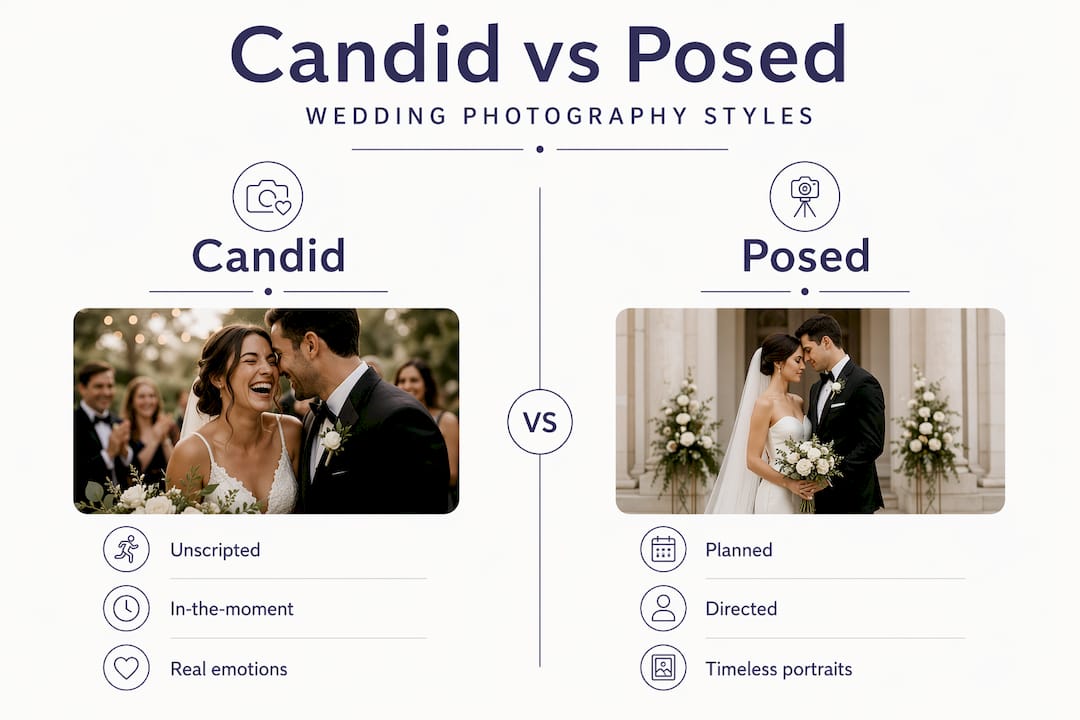
Start with questions. When you meet with photographers, ask them directly: "What percentage of your work is documentary versus editorial?" Ask to see a full gallery from a single wedding, not just a highlight reel. A highlight reel shows a photographer's best shots. A full gallery shows how they handle an entire day, including the boring stretches and the chaotic ones.
Communicating your priorities matters more than most couples realize. If you're deeply private and hate being directed, tell your photographer. If you want a specific set of posed portraits that look like they belong in a magazine, say that too. Most couples want both emotional truth and beautiful images, and a good photographer can deliver that when they know what you value.
A few things that genuinely help your photographer capture better candid moments:
- Forget the camera is there. The more you interact with your photographer, the stiffer your candid shots look.
- Build in unstructured time. A packed timeline kills spontaneity. Leave breathing room between events.
- Tell your wedding party to relax. Stiff guests make stiff photos.
- Let the photographer position themselves. Don't direct them during the ceremony. Trust their instincts.
For posed sessions, the most useful thing you can do is arrive on time and bring your shot list. Keeping family formals to 15 groupings is the single most effective way to prevent the portrait session from eating into your cocktail hour. Assign a family member as a "wrangler" to gather people quickly. It sounds unglamorous, but it saves 20 minutes.
Pro Tip: During your couple portrait session, ask your photographer to narrate what they're doing. When you understand why they're positioning you a certain way, you relax into it instead of feeling self-conscious. Relaxed bodies make better portraits.
My take on blending both styles
I've photographed weddings where the couple asked for "all candid, nothing posed," and I've photographed weddings where the couple handed me a 40-item shot list. Both extremes create problems.
The "all candid" approach sounds romantic, but it means you might not have a single photo where you and your partner are both looking at the camera at the same time. That matters. Your parents will want that photo. You'll want that photo.
The over-directed approach creates the opposite problem. When I'm spending the entire portrait session giving instructions, I'm not watching for the moment when you laugh at something your partner says, or the way you reach for their hand without thinking. Those micro-moments are what make a wedding album feel alive instead of like a catalog.
What I've learned is that the photographer's job is to hold both modes simultaneously. I'm always watching, even when I'm directing. I'll set up a pose, then tell a couple to talk to each other, and I'll step back and shoot what happens next. That's where the real images live. The direction creates the conditions; the moment creates the photograph.
I also think couples underestimate how much their own energy shapes the photos. When you're genuinely present on your wedding day, not performing for the camera but actually living it, every style of photography benefits. The candid shots have more life. The posed shots have more warmth. My best advice is to stop thinking about the photos entirely and trust that your photographer is handling it. That's what you hired them for.
— Amanda
See both styles in action
If you're still trying to visualize what a wedding album looks like when documentary and editorial photography work together, the best thing you can do is look at real galleries.
Amandaperalta's work is built on exactly this blend: the photojournalistic instincts of a documentary photographer combined with the compositional eye of a fine arts background. Every gallery tells a complete story, from the quiet moments before the ceremony to the last song of the night. You can explore the full portfolio to see how candid and posed wedding photos sit side by side in a finished album. If what you see matches the feeling you want from your own wedding day, reach out to start the conversation about your date.
FAQ
What is the main difference between candid and posed wedding photos?
Candid photos capture spontaneous, unscripted moments as they happen, while posed photos are directed and composed by the photographer. Both styles serve different purposes and work best when combined throughout the wedding day.
Should I choose candid or posed photography for my wedding?
Most couples benefit from both. Candid photography works best during the ceremony and reception, while posed photography is ideal for portraits, family formals, and bridal party shots.
How long do family formal photos typically take?
Family formals typically take 30 minutes when groups are organized and a shot list is prepared in advance. Keeping groupings to 15 or fewer helps maintain that timeline.
Can a wedding photographer do both candid and posed styles?
Yes. Most experienced wedding photographers use a hybrid approach that blends documentary observation with editorial direction, shifting between modes based on what the moment calls for.
How do I communicate my photography preferences to my photographer?
Share your priorities during your initial consultation, ask to see full wedding galleries rather than highlight reels, and submit a family formal shot list at least six weeks before the wedding to help your photographer plan the day efficiently.